
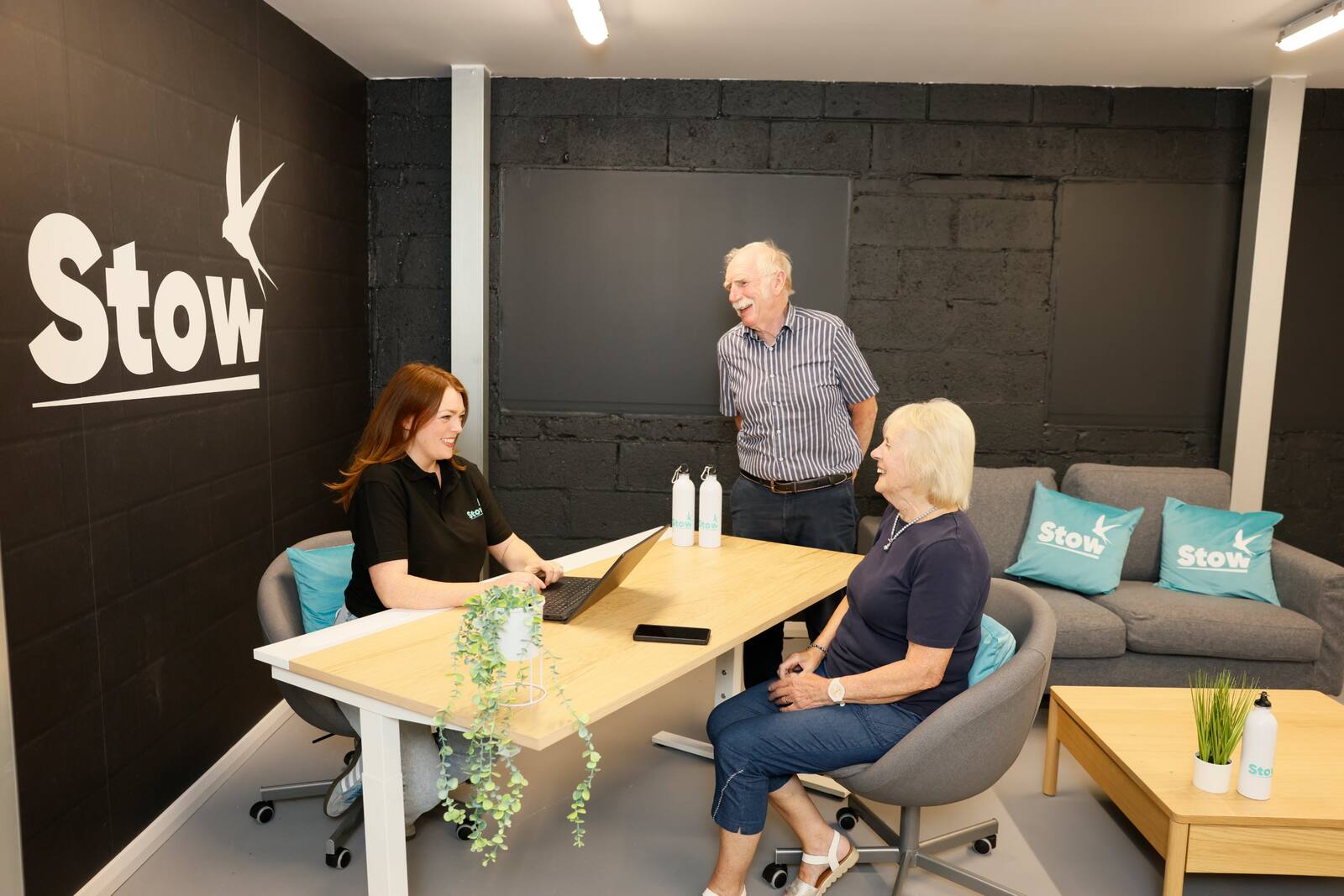
When a parent downsizes, the furniture and belongings that won’t fit in their new home don’t have to be decided on all at once. Families usually split things into four groups: what moves with your parent, what family members take, what gets sold, donated or recycled, and what goes into storage while everyone takes the time they need to decide. A secure, nearby storage unit gives you breathing space, so treasured pieces aren’t given away in a rush and nobody has to make difficult decisions under pressure.
Helping a mother or father move out of the family home is one of the most emotional jobs many of us will ever take on. It’s a house full of memories, often decades of them, and every drawer can stop you in your tracks. This guide is written for adult children and families in Dublin who are helping a parent move to a smaller house, an apartment, sheltered housing, a family member’s home or a nursing home. It covers how to approach the conversation, how to sort belongings fairly and kindly, and how storage can help.
Start with the conversation, not the boxes
It’s tempting to dive straight into the practical side. But the move is your parent’s, and the more involved they are in the decisions, the easier it tends to be for everyone.
- Let them lead where possible. Ask what matters most to them, which pieces they can’t imagine being without, and what they’d like to happen to the rest.
- Go at their pace. Sorting a lifetime of belongings can be tiring and emotional. Short sessions of an hour or two often work better than marathon days.
- Listen to the stories. That clock or tea set might come with a story you’ve never heard. This is a chance to hear it, and maybe record it.
- Avoid surprises. Don’t let things disappear without your parent knowing. Even small items can matter enormously.
- Involve siblings early. Agreeing on a process up front helps avoid disagreements later about who gets what.
What do you do with furniture when a parent downsizes?
Most families end up sorting furniture and belongings into five categories:
- Moving with your parent. Measure the new home’s rooms and plan where each piece will go. It’s easy to overestimate how much will fit. Prioritise the favourite armchair, the bed they’re comfortable in, and the pieces that will make the new place feel like home.
- Going to family members. Children and grandchildren may want specific pieces. Agree a fair way to decide, such as taking turns choosing.
- Selling. Good-quality furniture, antiques, collectables and jewellery may be worth valuing. Local auction houses, online marketplaces and specialist dealers are all options.
- Donating or recycling. Charity shops, community groups and furniture reuse schemes can give things a second life. Your local council’s recycling centre can take what’s left.
- Storing for now. Things nobody’s ready to decide on, items being kept for a grandchild who doesn’t have space yet, or furniture your parent may want back if plans change.
Why storage helps when a parent downsizes
The single biggest benefit of storage is time. Moves are often driven by dates you can’t control: a sale closing, a place in a nursing home becoming available, or a health change. Storage separates the deadline for the move from the deadline for decisions.
- Nothing is rushed out the door. You avoid the regret of selling or donating something in a hurry that turns out to have mattered.
- The house can be cleared for sale or handover on time, even if the family isn’t ready to make every call.
- Siblings who live abroad or elsewhere in Ireland can look at things when they’re next home.
- Items for grandchildren can be held until they get their own place.
- If your parent’s plans change, furniture is still there.
- Grief takes time. If the move follows a bereavement, storage gives the family space before deciding what to keep.
Storage when a parent moves into a nursing home
A move into a nursing home or residential care is often more sudden than a downsize, and rooms are usually small, with space for only a few personal items. Families can find themselves needing to clear a house quickly, sometimes while also dealing with financial and legal questions about the home.
In this situation, storage can be a real help. You can move furniture and belongings out of the house in one go, then sort them gradually in a calm, clean space. It’s also worth getting proper advice on any financial or legal implications for the family home before making decisions about selling or renting it.
A few things that make a nursing home room feel more like home: a familiar chair or throw, family photographs, a favourite lamp, a radio, a small piece of furniture like a bedside table, and personal items from their old bedroom. Check with the nursing home what’s allowed before bringing anything large.
A practical step-by-step plan
1. Get the floor plan of the new home
Measure rooms, doorways and storage. Mark where key furniture will go. This makes it much easier to decide what moves.
2. Work room by room
Start with rooms that are less emotionally loaded, such as the garage, utility room, or spare room, before moving on to bedrooms and the living room.
3. Use coloured stickers or labels
One colour for each category: moving, family, sell, donate, store. It’s simple, and everyone can see at a glance what’s decided.
4. Photograph and list
Take photos of items going to storage and keep a simple list. This helps siblings decide remotely and makes it easy to find things later.
5. Handle paperwork carefully
Old letters, documents, deeds, certificates and photos need going through carefully. Keep important originals with your parent or a trusted family member, and shred anything with personal details that’s no longer needed. Truly irreplaceable documents and valuables like jewellery are better kept in a safe or a bank safety deposit box than in a storage unit.
6. Book the help you need
Removals firms, a van and some willing helpers, house clearance services for what’s left, and valuers for anything that might be worth something.
7. Plan the move-in day
Try to have your parent’s new home set up and familiar before they arrive, with their bed made, their chair in place and their photos on the wall.
How to store family treasures safely
Family heirlooms and keepsakes deserve proper care in storage:
- Furniture: clean and dry thoroughly. Wrap timber in furniture blankets rather than plastic. Store off the floor if possible.
- Photographs and letters: use acid-free boxes and folders. Keep them in sealed boxes, off the floor, away from the unit door.
- China, glass and ornaments: wrap each item individually, pack tightly in sturdy boxes and mark them “Fragile”.
- Clocks and mirrors: wrap well and store upright, never flat with weight on top.
- Textiles, linens and clothes: wash and dry fully, then store in breathable bags or boxes.
- Artwork: wrap in acid-free paper and bubble wrap, and store on its edge, not flat.
Choose an internal storage unit in a modern, dry building rather than an outdoor container, which can be prone to condensation.
What size unit do you need?
- Small unit: boxes of photos, letters, ornaments and a few small pieces of furniture
- Medium unit: a living room or a couple of bedrooms’ worth of furniture
- Large unit: the bulk of the contents of a family home
Our storage calculator can give you a recommendation, and our size guide has more detail.
Why families trust Stow
We know that what’s going into storage at a time like this isn’t just “stuff”. At Stow Self Storage in Clondalkin:
- Our units are clean, dry, internal units in a brand-new building
- Security includes 24/7 monitored CCTV, perimeter security, a building-wide alarm and early fire detection
- Only you and the people you authorise can access your unit, so siblings can each have access on their own phones
- Access is seven days a week, so family can visit at weekends
- There’s parking outside, trolleys, a goods lift and drive-up access for removal vans
- There are no setup fees, a 12-week minimum, and then rolling 4-weekly terms with no long lock-in
- New customers get their first 4 weeks for €1
If you’d like to see the facility before you decide, get in touch and we’ll arrange a time to show you around. We’re happy to answer questions over the phone too.
Looking after yourself, too
Helping a parent move is a lot of work on top of everything else in life, and it can bring up big feelings for the whole family. Share the load where you can, take breaks, and don’t expect to get everything done in one weekend. It’s okay if some decisions wait, and that’s exactly what storage is for.
If you’re thinking about decluttering more broadly, you might also like our article on having less at home and more somewhere safe.
Frequently asked questions
What do you do with furniture when a parent downsizes?
Sort it into what moves with your parent, what family members take, what’s sold, what’s donated or recycled, and what goes into storage while the family decides. Storage gives you time so nothing important is let go in a rush.
How long do families usually store belongings after a downsize?
It varies. Some families need a few months to decide what to keep, while others hold items for a year or more until grandchildren have space. Stow’s 12-week minimum, followed by rolling 4-weekly terms, gives you flexibility either way.
Can more than one family member access the unit?
Yes. Only you and the people you authorise can get in, and each person uses the app on their own phone.
Is it safe to store heirlooms and photographs?
A clean, dry, internal unit with good security is a good place for furniture, photos and keepsakes if they’re packed properly. Very high-value items like jewellery, cash or irreplaceable documents are better kept in a safe or bank safety deposit box.
Can I visit the facility first?
Yes. Contact us and we’ll arrange a time for you to see it.
Take the time you need
Moving a parent is about care, not just logistics. Stow can help give your family the time and space to make good decisions. See available units, call 01 966 0992, or email hello@stow.ie.
Recent Post
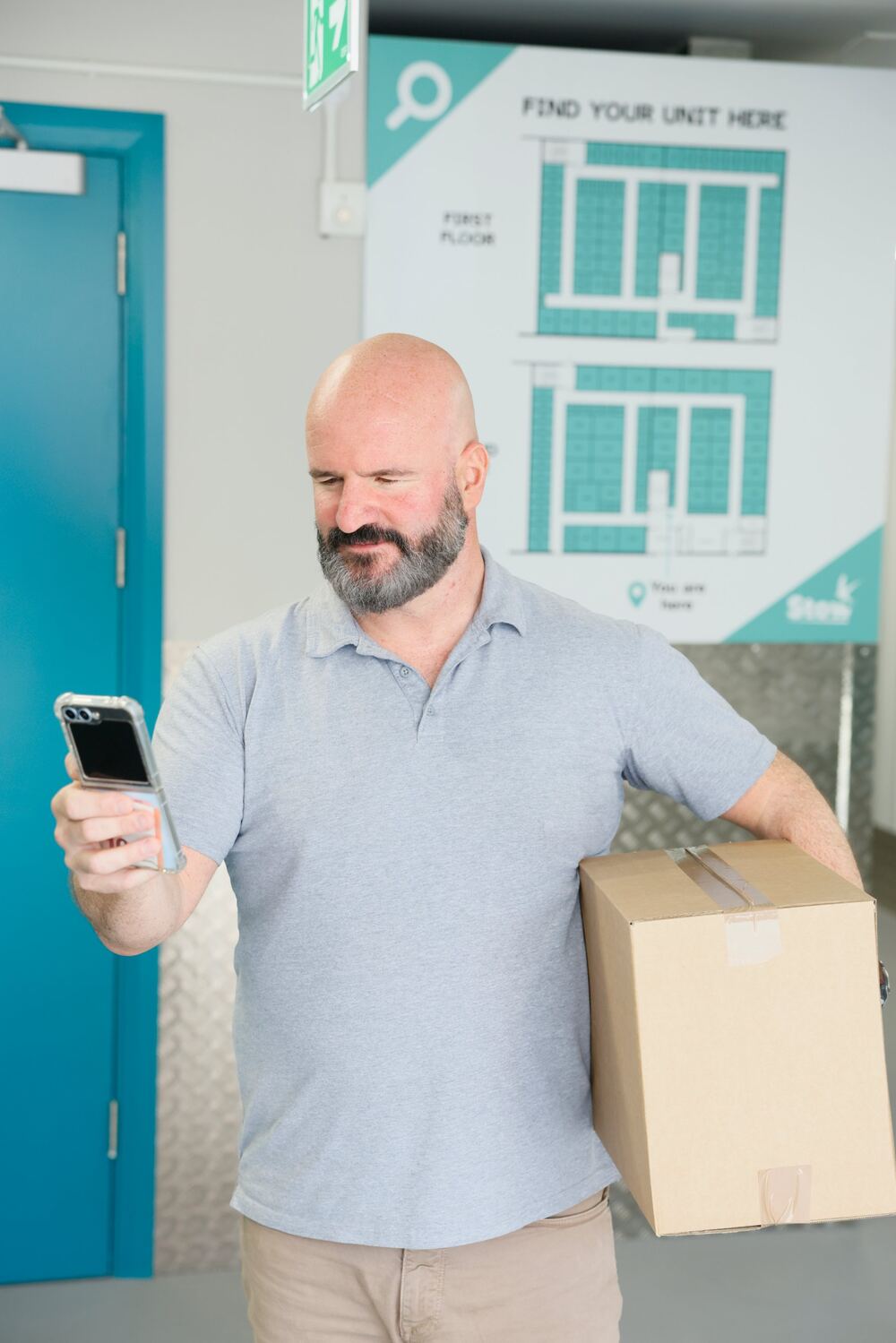
Heading off for a year in Australia, a contract in the Middle East, or finally moving home to Ireland? Here's how to store your belongings in Dublin while you're away, manage a storage unit online from abroad, and bridge the gap while you house-hunt.
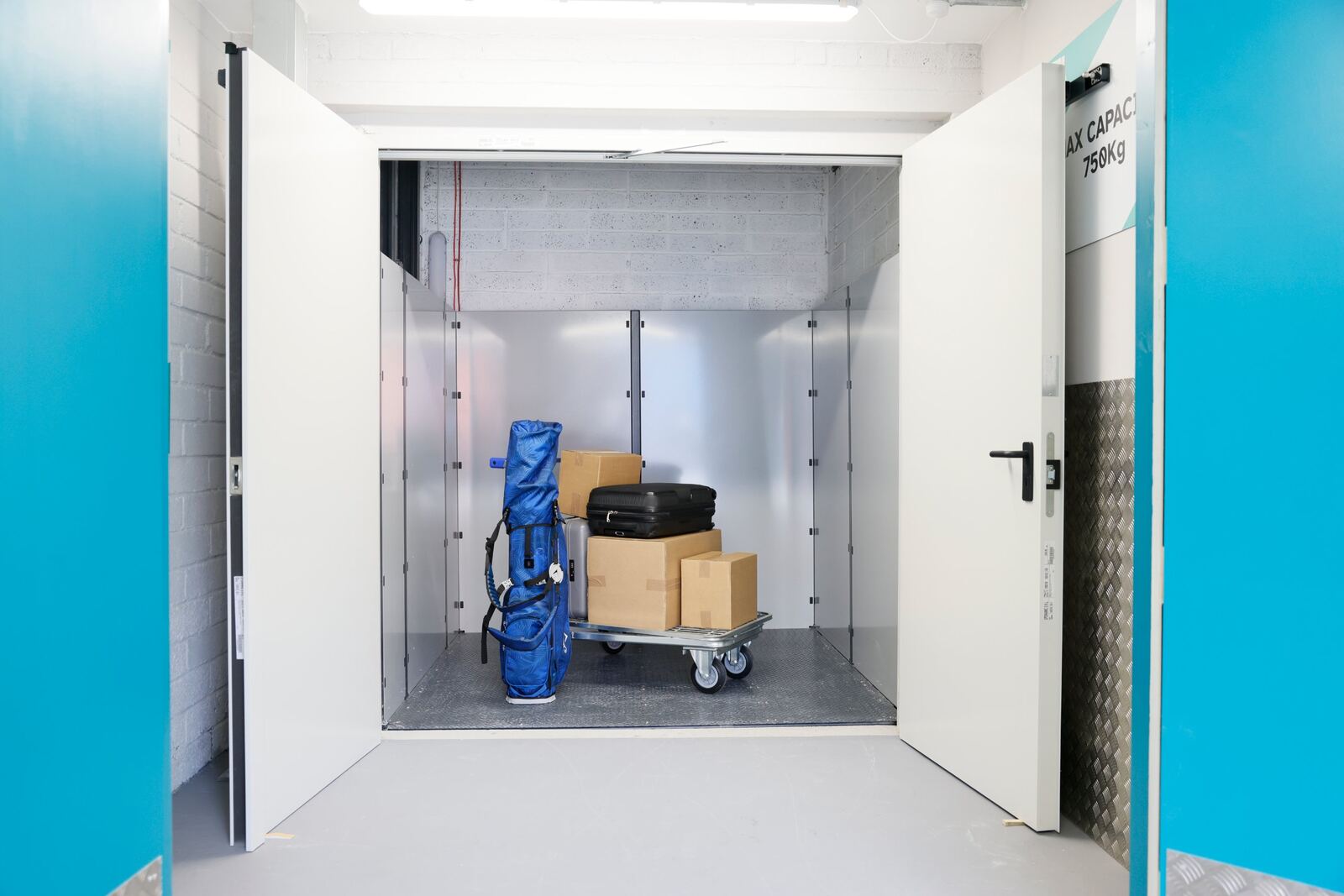
Irish winters are hard on garden furniture, barbecues and bikes. Here's how to clean, prepare and store them properly so they're ready for spring, plus options for apartment dwellers with no shed or garage.