
The best place to store garden furniture, BBQs and bikes over an Irish winter is somewhere dry, covered and secure, such as a garage, a sturdy shed or an indoor storage unit. Leaving them outside under a cover from October to April exposes them to months of rain, damp, wind and frost, which leads to rust, rot, mould and faded fabrics. If you live in an apartment or a house without a shed, an internal self storage unit is a simple way to get everything out of the weather and off your balcony until spring.
Ireland’s climate isn’t extreme, but it’s relentlessly damp. Long stretches of rain, high humidity and the odd storm can do more damage to outdoor gear than a short, sharp freeze. This guide covers how to prepare each type of item for winter, where to keep it, and what to do if you simply don’t have the space at home.
Where should I store garden furniture in winter?
In order of preference:
- An indoor, dry space like a garage, a dry utility room, or an internal storage unit. This gives the best protection.
- A well-sealed, ventilated shed. Good for most items, though cushions and fabrics can get musty if the shed is damp.
- Outdoors under proper fitted covers. Better than nothing for heavy furniture, but not ideal for an Irish winter, especially for timber, rattan and cushions.
If you’re in an apartment or a newer home with a small garden and no shed, which is increasingly common across Dublin, the first option is usually a storage unit.
How to prepare garden furniture for winter storage
Timber furniture (teak, acacia, pine, hardwood)
- Clean with warm soapy water and a soft brush to remove dirt, bird droppings and algae.
- Let it dry completely, ideally over a couple of dry days. Never store damp timber; it’s an invitation for mould.
- Treat with an appropriate oil or protector if it’s due.
- Store off the ground and, if possible, disassembled to save space.
- Use breathable covers rather than plastic sheeting, which traps moisture.
Metal furniture (aluminium, steel, wrought iron)
- Clean and dry thoroughly.
- Check for chips and rust spots. Sand lightly and touch up with suitable paint so rust doesn’t spread over winter.
- Store somewhere dry. Steel and iron left outside in the damp will rust.
- Fold folding chairs and stack tables carefully with soft padding between pieces to avoid scratches.
Rattan and synthetic wicker
- Hoover or brush out dirt and debris from the weave.
- Wash with mild soapy water and dry thoroughly.
- Store indoors if possible. Even synthetic rattan can become brittle and faded with long exposure, and water collecting in frames can cause problems.
Cushions, parasols and fabric
- Remove covers and wash according to the label.
- Make sure cushions are completely dry inside before storing. Damp foam is the number one cause of mildew.
- Store in breathable storage bags or boxes, off the floor, somewhere dry.
- Close parasols fully, make sure the fabric is dry, and store in their cover. Take the base in too.
How to store a BBQ over winter
Gas BBQs
- Give the grills, burners and drip tray a thorough clean to remove grease, which attracts pests and causes corrosion.
- Lightly oil cast iron grills to prevent rust.
- Disconnect the gas cylinder. Gas cylinders should be stored outdoors in a well-ventilated area, upright, away from drains and sources of ignition, and never in an enclosed space like a garage, shed or storage unit. Gas bottles and other flammable materials can’t be stored at Stow or most storage facilities.
- Cover the regulator and hose ends so insects can’t get in.
- Store the BBQ itself somewhere dry and covered.
Charcoal BBQs
- Empty all ash and charcoal. Ash absorbs moisture and becomes corrosive.
- Clean the grill and bowl, then dry thoroughly.
- Store charcoal in a sealed container somewhere dry, separately.
- Store the BBQ under cover or indoors.
Pizza ovens
Portable pizza ovens should be fully cooled, cleaned and dry before storage. Remove any gas connections and fuel, as with a gas BBQ. Stone bases can crack if they absorb water and then freeze, so indoor storage is ideal.
Can I keep a bike in a storage unit?
Yes. Bikes are one of the most common things people keep in storage units, especially apartment dwellers who don’t want bikes in the hallway or on a balcony all winter. A dry, secure unit protects bikes from rust and theft, and with app-based access seven days a week, you can still grab your bike for a dry winter weekend spin.
How to prepare a bike for winter storage
- Clean it properly. Remove mud and road grit, especially from the drivetrain.
- Dry it thoroughly before storing.
- Lube the chain and any exposed metal parts.
- Inflate the tyres to stop them going flat-spotted, or hang the bike so the tyres are off the ground.
- Remove batteries from e-bikes and store them according to the manufacturer’s guidance, usually at partial charge, indoors at room temperature. Check whether the battery should come home with you rather than going into storage.
- Remove lights and computers and take them home.
A wall-mounted hook or a freestanding bike rack inside the unit helps keep bikes upright and saves floor space.
Other seasonal items to store over winter
- Lawnmowers and strimmers. Clean off grass, and for petrol mowers, empty the fuel tank completely before storing. Fuel is flammable and can’t be stored in a storage unit.
- Paddling pools, trampolines (nets and pads), garden toys and play equipment. Clean and dry before storage.
- Camping gear. Tents must be completely dry before packing away, or they’ll be ruined by spring.
- Kayaks, paddleboards and surf gear. Rinse off salt water, dry and store out of the sun.
- Summer wardrobes. Swap out the shorts and sandals for the coats and boots.
- Garden tools. Clean, dry and oil metal parts to stop rust.
Storage for apartment dwellers with no shed
Across Dublin, more and more people live in apartments and newer homes with small or no gardens and no shed. Balconies and small patios fill up quickly with a bistro set, a couple of bikes and a BBQ, and over winter they all sit there in the rain. Many apartment complexes also have rules about what you can keep on balconies.
A small storage unit is often the neatest solution. Over winter, it takes the garden furniture, BBQ, bikes and summer kit. In summer, it can take the winter coats, the Christmas decorations, and anything else that’s not in season. Rather than letting stuff take over your home, you rotate it.
We see a lot of people from Clondalkin, Lucan, Citywest, Adamstown, Clonburris, Tallaght and Ballyfermot doing exactly this.
Why an indoor storage unit beats a cover in the garden
- Dry. Internal units in a modern building are protected from rain, wind and the damp that comes with Irish winters.
- Secure. Bikes, BBQs and expensive garden furniture are sometimes stolen from gardens and balconies. A monitored storage facility is a much safer bet.
- Longer life for your gear. Furniture, fabrics and bikes stored indoors last longer and need less maintenance in spring.
- Space back at home. No more bikes in the hall or a balcony you can’t use.
Storing seasonal items at Stow
Stow Self Storage is a brand-new internal facility on Ninth Lock Road in Clondalkin, Dublin 22. Here’s what you get:
- Clean, dry, walk-in internal units in a range of sizes
- Access seven days a week using the Stow app on your phone
- 24/7 monitored CCTV, perimeter security and a building-wide alarm
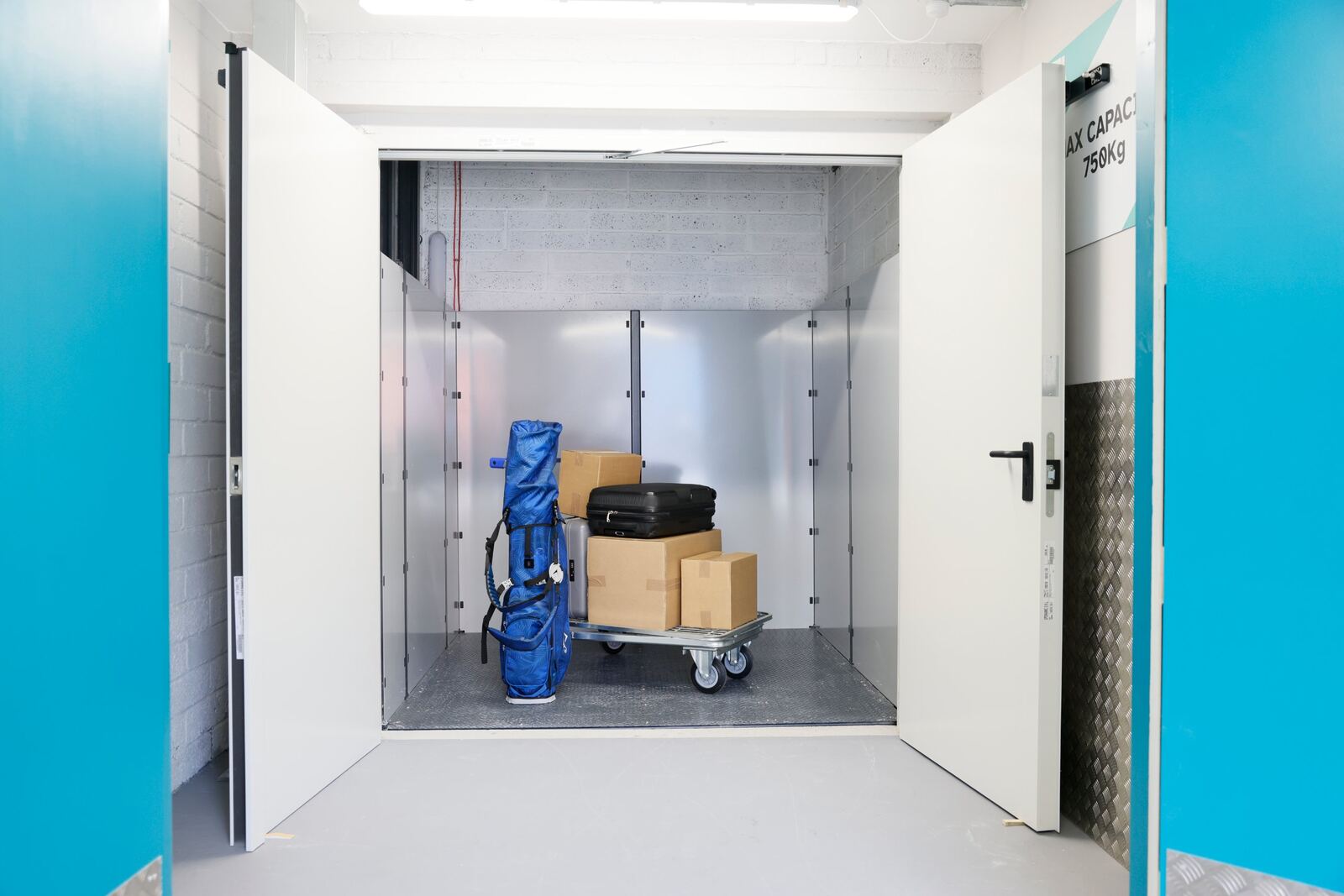
- Parking directly outside, drive-up access, trolleys and a goods lift
- No setup fees, a 12-week minimum, then rolling 4-weekly with no lock-in
- €1 for your first 4 weeks as a new customer
A small unit is usually enough for a bistro or patio set, a BBQ (without the gas bottle), a couple of bikes and some boxes. If you’ve got a full outdoor dining set, a lounge set and a trampoline, you’ll likely want a medium unit. Our storage calculator can help.
Packing tips for seasonal storage
- Everything must be clean and dry. We can’t say this enough.
- Disassemble tables and stack chairs to save space.
- Use breathable covers, not plastic sheeting.
- Keep cushions in sealed storage boxes or breathable bags and off the floor.
- Put the things you’ll want first at the front. If you’re a winter cyclist, bikes go by the door.
- Label everything. Come April, you’ll thank yourself.
Frequently asked questions
Where should I store garden furniture in winter?
Somewhere dry, covered and secure. A garage, a sealed shed or an indoor self storage unit is best. If you have to leave it outside, use breathable fitted covers and keep it off the ground, but bring cushions and fabrics indoors.
Can I keep a bike in a storage unit?
Yes. Bikes are one of the most commonly stored items. Clean, dry and lube them first. For e-bikes, check the manufacturer’s guidance on battery storage, which usually means keeping the battery indoors at room temperature.
Can I store a gas BBQ in a storage unit?
You can store the BBQ itself once it’s clean and the gas cylinder has been disconnected and removed. Gas cylinders, fuel and other flammable materials can’t be stored in a storage unit.
Should I leave garden furniture outside covered in winter?
Heavy metal or hardwood furniture can survive outdoors under good covers, but Irish winters are damp, so mould, rust and rot are common. Indoor storage is better, and cushions should always come inside.
When should I put garden furniture away?
Most people in Ireland put it away in late September or October, once the evenings get shorter and the weather turns, and bring it back out in April or May.
Can I get to my unit during the winter?
Yes. Stow units are accessible seven days a week using the app on your phone.
Get your garden gear out of the rain
Don’t let another Irish winter wreck your garden furniture and bikes. Find a unit and get an instant quote, read more about our personal storage, or call 01 966 0992. Your first 4 weeks are €1.
Recent Post
Heading off for a year in Australia, a contract in the Middle East, or finally moving home to Ireland? Here's how to store your belongings in Dublin while you're away, manage a storage unit online from abroad, and bridge the gap while you house-hunt.

Helping a parent move to a smaller home, an apartment or a nursing home is emotional work. Here's a gentle, practical guide to sorting a lifetime of belongings, deciding what to keep, and using storage to give the family time to decide.