
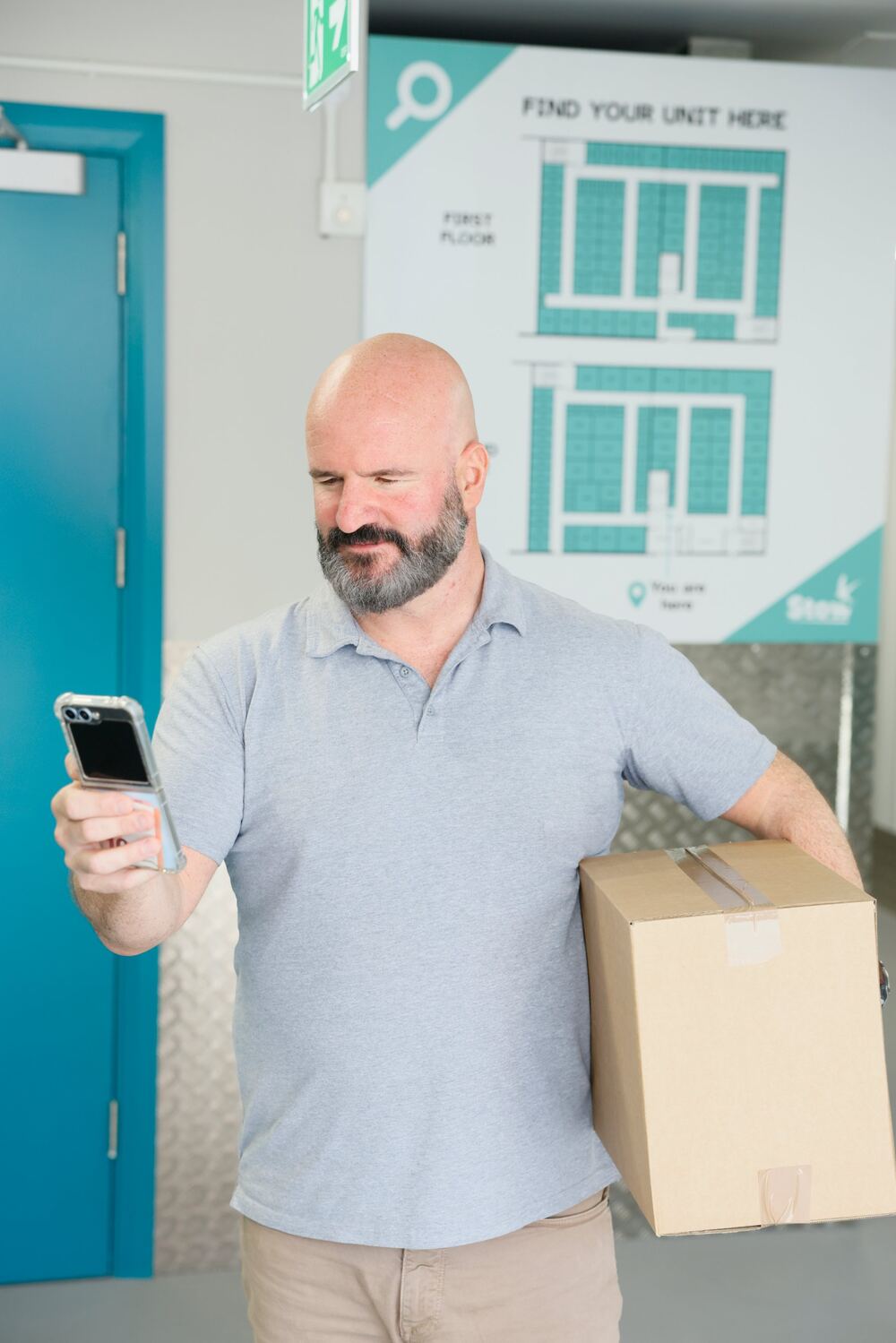
Yes, you can manage a storage unit in Dublin while you’re living abroad. With a modern facility like Stow in Clondalkin, you book and pay online, manage your account online, and access is controlled digitally through an app, so you can authorise a family member or friend to get in if something needs collecting while you’re away. For long-term storage, you’ll pay a regular rolling fee based on the size of unit, and the key to keeping costs down is choosing the right size and only storing what’s genuinely worth keeping.
Irish people have always travelled. Some go for a year or two, to Australia, Canada, the US, the UK, the Middle East or further afield, and some come home after a decade away. Either way, there’s a gap where your belongings need somewhere safe to wait. This guide covers how to decide what to keep, how to pack for long-term storage, how to manage everything from overseas, and how returning emigrants can use storage as a stopgap while house-hunting in Dublin.
Should I store my belongings or sell them before moving abroad?
This is the first question to answer, and there’s no single right answer. It depends on how long you’re going for, what your stuff is worth to you, and what it would cost to replace.
Store it if:
- You’re planning to come back within a year or two
- It’s good-quality furniture that would be expensive to replace
- It has sentimental value: family pieces, photos, keepsakes, records and books
- You don’t want to start from scratch when you come home
Sell or donate it if:
- It’s cheap, flat-pack or worn out and easy to replace
- You’re leaving indefinitely and unlikely to want it again
- Storing it for years would cost more than it’s worth
A useful rule of thumb: add up roughly what storage would cost for the time you’ll be away, and compare it with the replacement value of what you’re keeping. Sentimental items are worth storing regardless; flat-pack furniture often isn’t.
Can I manage a storage unit online from abroad?
Yes. At Stow, everything is designed to be managed without needing to be on site:
- Book and pay online. Choose your unit, book and pay in minutes at stow.ie.
- Manage your account online. Sign in to your account to see your details and manage your rental.
- Digital access. Access is through the Stow app on a smartphone, not keys or padlocks, so there’s nothing to post back and forth.
- Authorise someone you trust. Only you and the people you authorise can get into your unit, so a parent, sibling or friend in Dublin can collect or drop off things for you.
- Contact us by email or phone. If you need anything, email hello@stow.ie or call +353 1 966 0992.
Before you go, make sure your payment method will keep working while you’re away. If your Irish bank card is due to expire, update it before it lapses.
How much does long-term storage cost in Ireland?
Storage prices depend mainly on the size of the unit and where it is. Price surveys in 2026 put typical Dublin storage at roughly €60 to €150 a month for a small unit, €150 to €320 for a medium unit, and €300 or more for a large unit, with facilities outside the city centre generally more competitive. Our Dublin storage price guide goes into this in more detail.
At Stow:
- There are no setup fees or admin charges
- The minimum rental is 12 weeks, after which it rolls on every 4 weeks with no fixed end date, which suits open-ended stays abroad
- We offer competitive pricing for longer rentals, so talk to us if you’re going for a year or more
- New customers get their first 4 weeks for €1
Remember that 4-weekly billing means 13 payments a year. When you budget for a year abroad, multiply the 4-weekly price by 13.
How to pack for long-term storage
When things are going into storage for a year or more, it’s worth taking a bit more care:
- Clean everything. Wipe down furniture, wash textiles and make sure everything is completely dry. Crumbs and moisture are what cause problems over long periods.
- Clean and defrost appliances. Fridges and freezers should be defrosted, cleaned, dried and stored with the door slightly open to stop mould and smells.
- Use strong, uniform boxes. They’ll be stacked for a long time, so they need to hold their shape.
- Don’t overfill or underfill boxes. Overfilled boxes split; half-empty ones collapse under weight.
- Wrap furniture in breathable covers or furniture blankets, not plastic, which can trap condensation.
- Disassemble large furniture and keep fittings in labelled bags taped to each piece.
- Store mattresses in breathable mattress bags, upright or flat but never with heavy weight on top.
- Protect electronics. Use original packaging where possible, and remove batteries.
- Label every box on several sides and keep a detailed inventory, with photos, saved in the cloud so you can access it from anywhere.
- Put the things a family member might need to collect at the front.
What shouldn’t I put into long-term storage?
- Important documents you might need abroad, like your passport, birth certificate, PPS details, and qualifications. Take them or leave them with family.
- Very high-value items like jewellery or cash. A bank safety deposit box is a better option.
- Perishable food, plants and anything living.
- Hazardous or flammable items such as fuel, gas cylinders, paint thinners or chemicals.
Coming home? Storage as a stopgap while you house-hunt
For returning emigrants, the timing rarely lines up perfectly. Your container or shipment from abroad might arrive before you’ve found somewhere to live. You might be staying with family while you look for a place to rent or buy. And Dublin’s rental and property market means finding the right home can take a while.
Storage gives you a buffer:
- Your shipment has somewhere to go as soon as it clears customs and is delivered, rather than filling your parents’ garage.
- You can take your time to find the right home, not the first one available.
- You can move in the same day after booking online, which helps when shipping dates shift.
- You can get at your things seven days a week, so you’re not living out of a suitcase.
- When you find a home, you move everything once, from one place.
If you’re house-hunting in West Dublin, in places like Clondalkin, Lucan, Adamstown, Citywest or Tallaght, having your belongings already in Clondalkin makes the final move very easy. Our guides to storage near Lucan, Palmerstown and Ballyfermot and storage near Tallaght, Citywest and Saggart have directions and drive times.
Insurance while you’re away
You’re responsible for insuring your stored belongings. Check whether your existing home or contents insurance covers goods in storage, especially if you’re giving up your Irish home and that policy will end. If not, you can add optional goods protection when you book with Stow. Keep a copy of your inventory and photos somewhere you can get to from abroad.
Why Stow for long-term storage
- Clean, dry, internal units in a brand-new building in Clondalkin, Dublin 22
- 24/7 monitored CCTV, perimeter security, a building-wide alarm and early fire detection
- Tamper-proof, remotely monitored access hardware
- Digital access through the Stow app, with the option to authorise family or friends
- Online booking and account management
- Easy loading with parking outside, drive-up van access, trolleys and a goods lift
- Flexible terms: 12-week minimum, then rolling 4-weekly with no fixed end date
- Close to Dublin Airport via the M50, and to the N4 and N7 for the rest of the country
A simple checklist before you fly
- Decide what to store, sell, donate and take with you.
- Book a unit online and choose a move-in date.
- Pack carefully and keep a photo inventory in the cloud.
- Move in, and check everything’s stacked safely.
- Authorise a trusted family member or friend to access the unit.
- Check your payment card won’t expire while you’re away.
- Sort your insurance.
- Save our contact details: hello@stow.ie and +353 1 966 0992.
Frequently asked questions
Can I manage a storage unit online from abroad?
Yes. With Stow, you book, pay and manage your account online, and access is digital through an app. You can authorise a family member or friend in Ireland to access your unit if something needs collecting.
How much does long-term storage cost in Ireland?
It depends on the unit size and location. 2026 price surveys put Dublin storage at roughly €60 to €150 a month for a small unit, €150 to €320 for a medium unit and €300 or more for a large unit. Stow offers competitive pricing for longer rentals, with no setup fees.
Is there a maximum storage period?
No. After the 12-week minimum, your rental rolls on every 4 weeks for as long as you need it.
Can someone else access my unit while I’m away?
Yes. Only you and the people you authorise can access your unit.
Is it worth storing furniture while living abroad?
It’s usually worth it for good-quality or sentimental items, especially if you’re planning to return within a year or two. Cheap or easily replaced items are often better sold or donated.
Can I store things while I look for a house after moving home?
Yes. Many returning emigrants use storage as a stopgap between their shipment arriving and finding a home. You can book online and move in the same day.
Go, and know your things are safe
Whether you’re heading off or coming home, Stow keeps your belongings safe in Dublin until you’re ready for them. Book a unit online, read our guide to using self storage for the first time, or get in touch at hello@stow.ie.
Recent Post
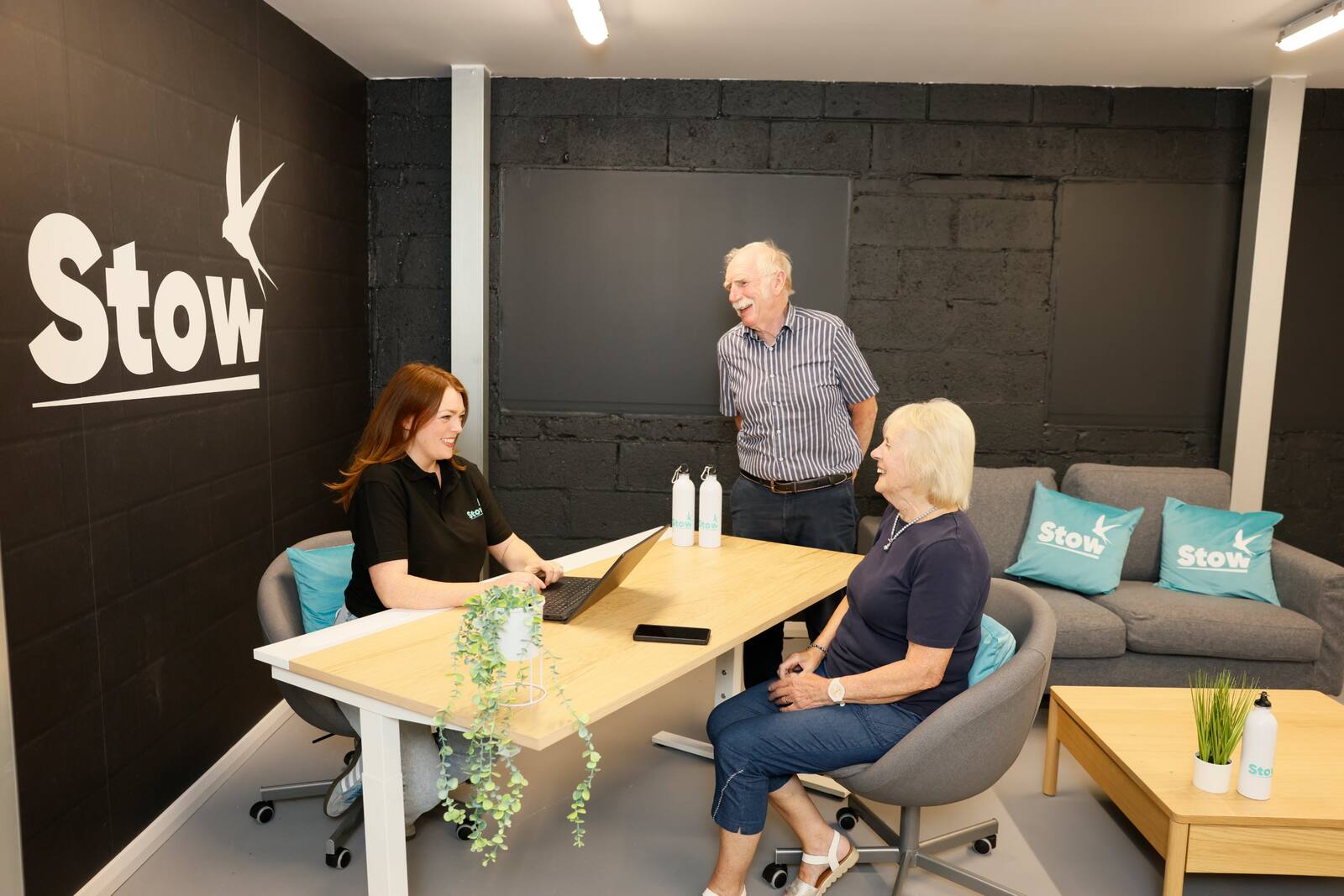
Helping a parent move to a smaller home, an apartment or a nursing home is emotional work. Here's a gentle, practical guide to sorting a lifetime of belongings, deciding what to keep, and using storage to give the family time to decide.
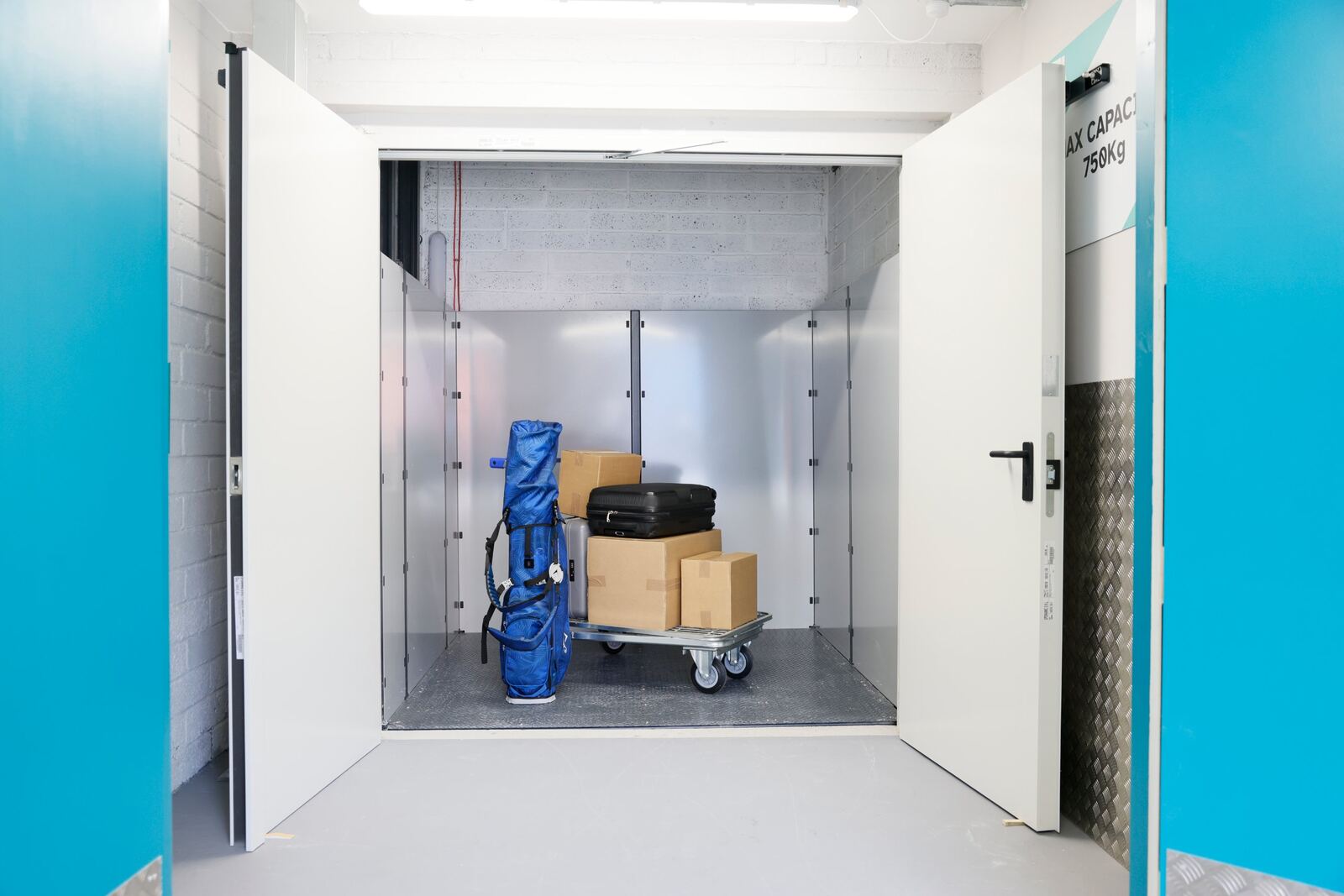
Irish winters are hard on garden furniture, barbecues and bikes. Here's how to clean, prepare and store them properly so they're ready for spring, plus options for apartment dwellers with no shed or garage.